WE-HA Molchtechnik

Pigs and pigging stations from our own production

A pigging system pushes the product left in the pipeline after transfer on to its destination instead of flushing it out. WE-HA manufactures pigs and pigging stations in-house and designs pigging systems for plants in the food, cosmetics, chemical and pharmaceutical industries.

In-house production
Pigs and pigging stations
Nominal sizes
Pigs DN 25 to 100, stations DN 25 to 125
Scope of supply
Single component or complete system
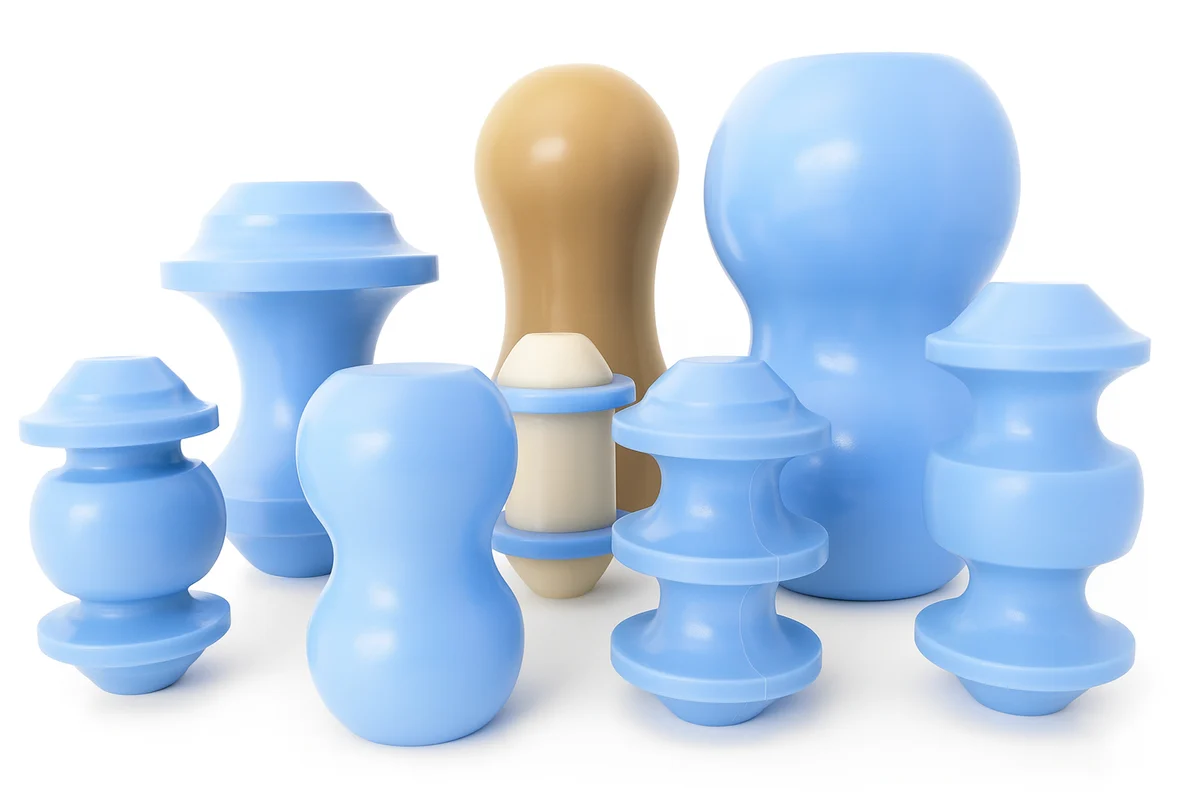
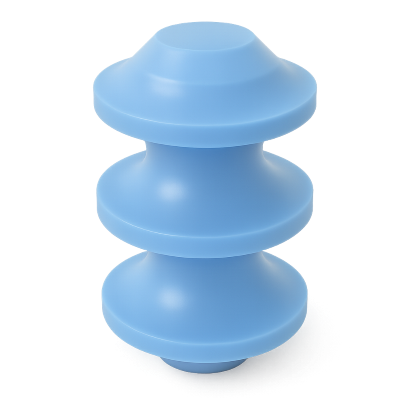
Several pigs made of blue, beige and brown coloured plastic in different shapes, with sealing lips and spherical segments
Product illustration (rendering), pig shapes shown as examples

In-house production of pigs and pigging stations

The pig and the station largely determine how reliably a pigging system works. We manufacture both ourselves and match them to the specific plant.

Pigs from our own production

Cast from silicone elastomer, as spherical-segment or segmented pigs, with a detection insert on request. Dimensions and shape are based on your pipeline. We also manufacture pigs to your drawing or sample.

Pigging stations from our own production

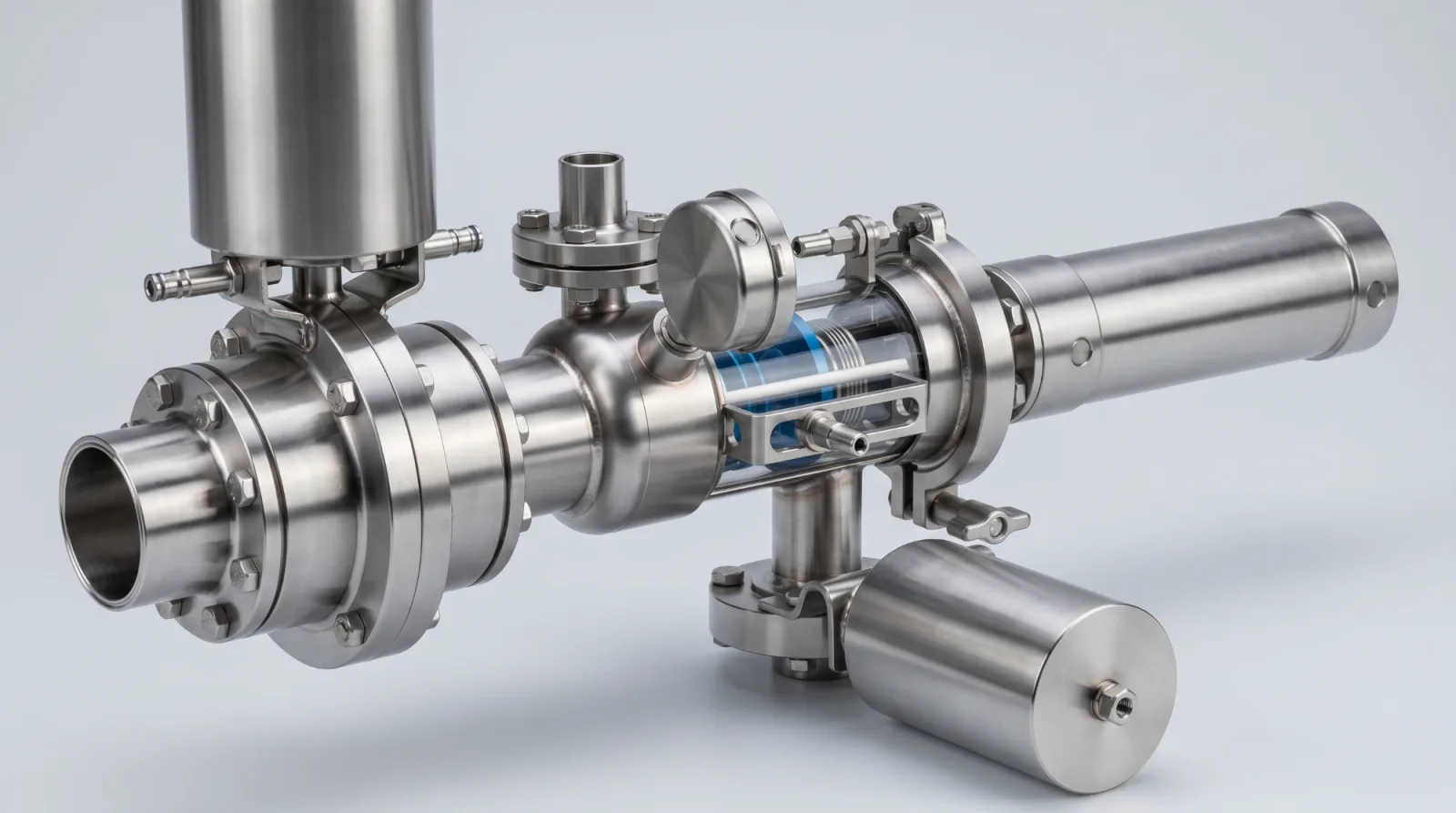
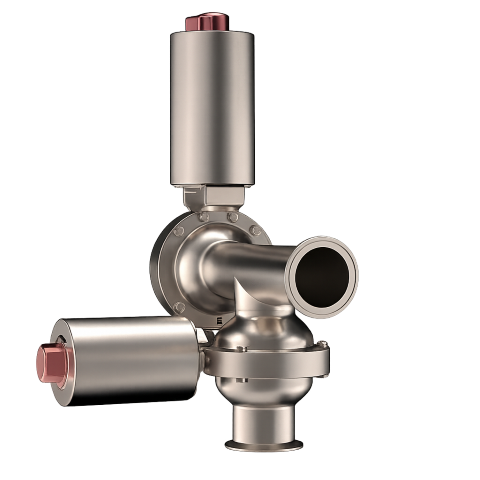
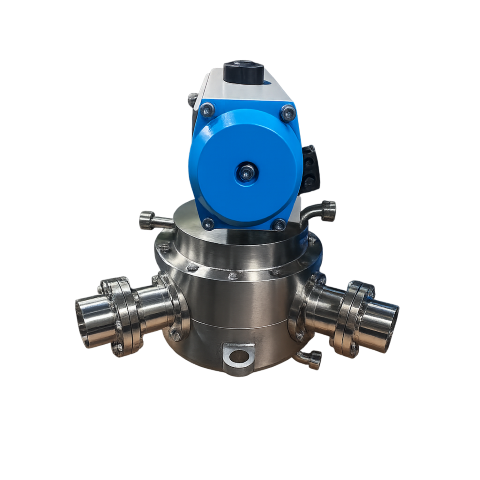
Launching and receiving stations in stainless steel, matched to the pig, connections, propellant and control system.

Design based on the application

Every design is based on the product, temperature, pipeline routing and cleaning process.

Integration into your process

Together with you, we define the integration into pipeline, cleaning and control system and supply the matching valves, diverters and accessories.

More on production and engineering

Pigging systems and how they operate

Pigging systems differ in how many pigs are used and whether the pig remains in the line after its run. Select a system and go through the steps one by one.

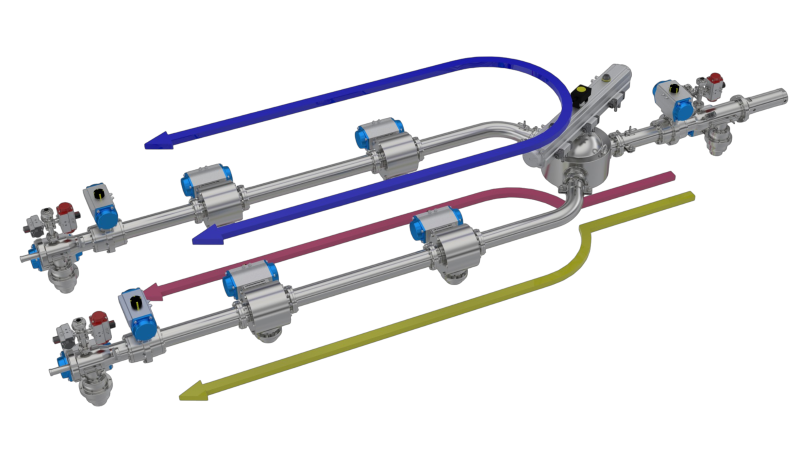
Pigging system with two pigging lines, pig diverter, launching and receiving stations; coloured arrows show the pig routes
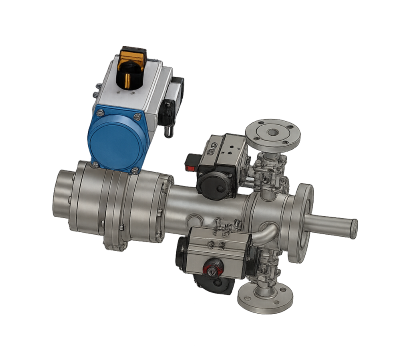
CAD illustration of a pigging system with pig diverter

One pig that remains permanently in the line and travels back and forth driven by propellant. According to the technical literature, the most widespread design for process lines, and also the design WE-HA has built most often.

Closed single-pig system, step 1: Initial positionThe pig is in the launching station, the line is empty and depressurised.Return outside the pipelineProductDestinationPropellantPropellantLaunching stationReceiving station
  • Product
  • Propellant active
  • Pig
  • Valve open
  • Valve closed
  • Pig detector signals pig

1. Initial position

The pig is in the launching station, the line is empty and depressurised.

Simplified schematic, not to scale. Valves, pig detectors and sequence depend on the individual plant.

Pigging systems compared

Industries and applications

Which design makes sense depends on the product and the process. These are the questions we usually clarify first.

Food and beverages

Sauces, fillings, dairy and confectionery products, syrups and concentrates.

  • How much product remains in the line at a product changeover?
  • Do products containing allergens have to be separated from allergen-free products?
  • Is the line cleaned wet, pigged dry or flushed with product?
Food and beverages

Cosmetics

Creams, lotions, shampoos and gels with frequent formulation and colour changeovers.

  • How often do formulation or colour change on the same line?
  • How strongly does the product adhere to the pipe wall?
  • Does the line lead to one or to several filling machines?
Cosmetics

Chemicals, paints and coatings

Paints, coatings, resins and additives, often with expensive residual quantities and solvents.

  • What is the value of the product that is currently flushed out?
  • Which flushing media or solvents are used per changeover?
  • Are there explosion protection requirements in the installation area?
Chemicals, paints and coatings

Pharma and biotechnology

High-value products, strict requirements for cleaning and documentation.

  • What cleaning and sterilisation requirements apply to the line?
  • What documentation is required for materials and surfaces?
  • How is batch separation verified?
Pharma and biotechnology

Estimating cost-effectiveness

A line with an inside diameter of 50 mm and a length of 40 m holds around 79 litres of product. Use your own figures to calculate how much of it is lost today and how much a pigging system can recover.

  • Line content from inside diameter, length and density
  • Current loss and additionally recoverable share
  • Further savings and operating costs assessed separately
  • Net benefit, simple payback and balance over several years
  • Result without entering contact details, technical review on request

How a project runs

  1. Understand the application

    Product, pipeline, mode of operation and cleaning: we clarify what the pigging system needs to achieve and what your plant requires.

  2. Agree on the design

    Pig shape, stations, valves, propellant and interfaces to the control system are defined together with you.

  3. Offer a solution

    You receive a quotation with a clearly defined scope of supply, from a single pig to a matched system.

  4. Manufacture and deliver

    We manufacture pigs and stations ourselves. Additional components are matched to them.

Discuss a project

Send us details of the medium and the pipeline, ideally with a sketch, or give us a call. We will get back to you with an initial technical assessment and tell you which details are still needed for the design.

Phone+49 421 98961060info@wehamolch.de

Mon to Fri, 8:00 to 17:00